Author: Founder Vol

  • Cancel Your Plans for November

    Cancel Your Plans for November

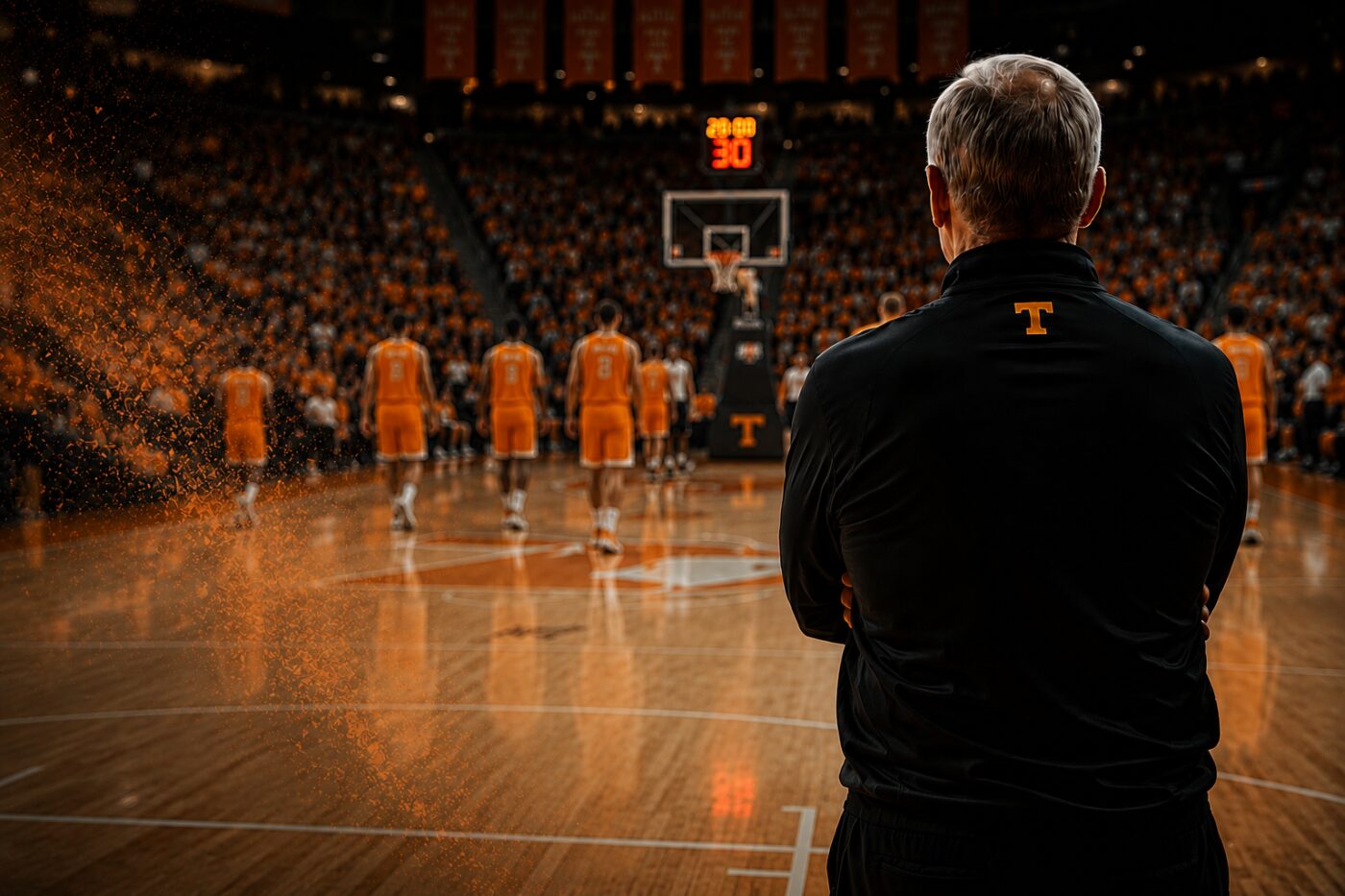
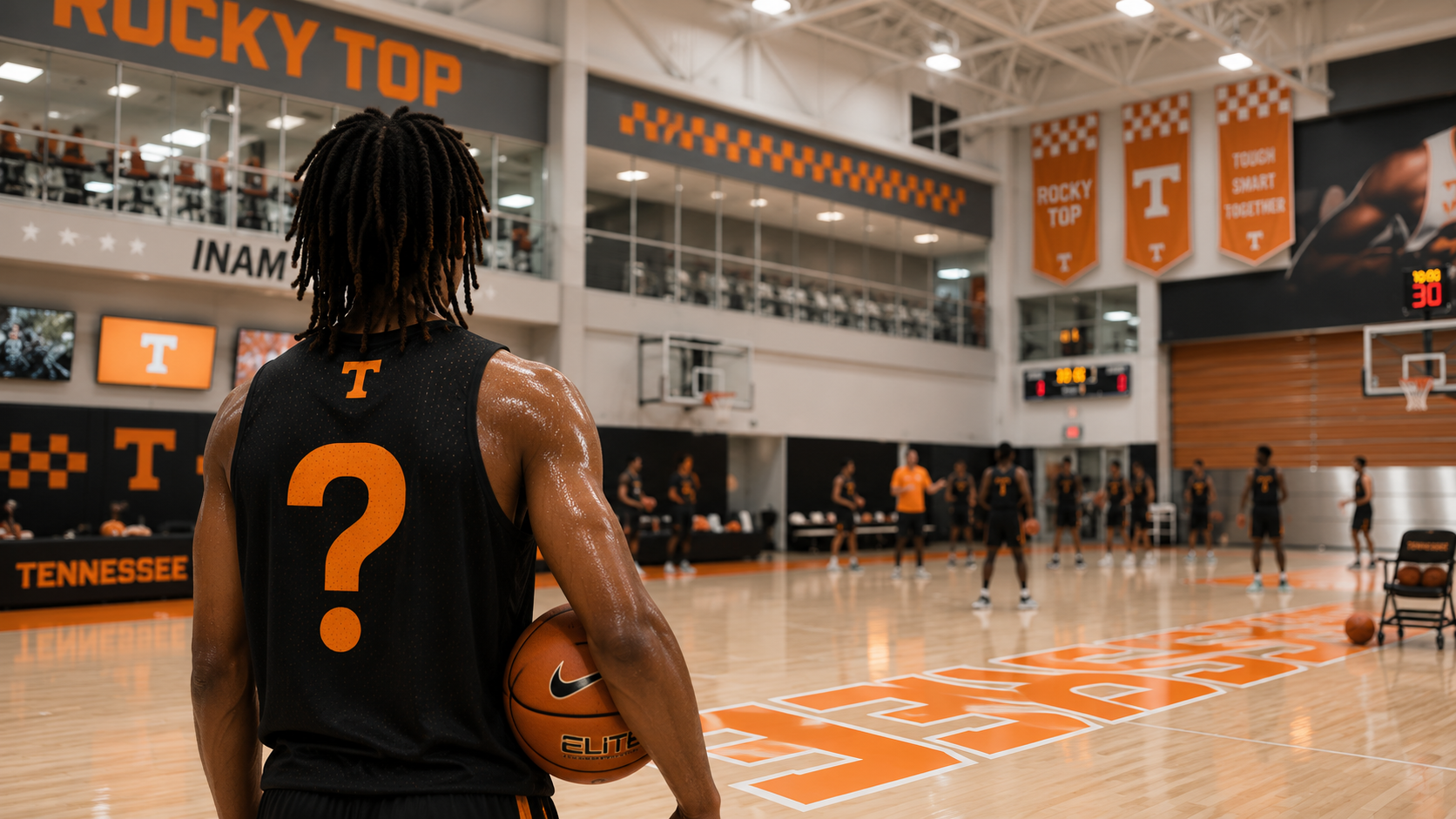
    Contenders don’t schedule comfort. They schedule competition. Tennessee and Michigan State just gave college basketball one of its most anticipated early-season matchups of the 2026–27 season.

    Rick Barnes and Tom Izzo could have taken the easy route. They could have filled another November date with an overmatched opponent, collected a comfortable win and moved on. Instead, two of college basketball’s most respected coaches chose something far more compelling.

    Tennessee and Michigan State will begin a home-and-home series on Nov. 17 at Food City Center before the return trip shifts to East Lansing the following season. The announcement instantly creates what already projects to be one of the premier nonconference games on the 2026–27 calendar.

    The timing couldn’t be better. Tennessee and Michigan State are already appearing in numerous preseason top-10 projections, making this much more than another scheduling announcement. It’s an early measuring stick between two programs expected to spend the winter chasing conference championships and another deep NCAA Tournament run.

    Barnes welcomed the opportunity, saying, “We’re excited about it,” while noting Tennessee is continuing to build schedule balance “over the next couple years.” Izzo has long embraced the same philosophy, consistently challenging his teams with demanding nonconference schedules instead of taking the easier path.

    History only makes the matchup better.

    Michigan State owns a 5-2 edge in the all-time series, and no Tennessee fan has forgotten the Spartans’ heartbreaking 70-69 victory in the 2010 Elite Eight, ending the deepest NCAA Tournament run in program history. The schools haven’t met in an official game since, though the Vols earned an entertaining 89-88 exhibition win in East Lansing before the 2023–24 season behind Dalton Knecht’s 28 points. It didn’t count in the standings, but it reminded everyone how entertaining this matchup can be.

    The coaching duel is nearly as intriguing as the game itself. Barnes and Izzo rank first and second among active Division I head coaches in NCAA Tournament appearances, and the mutual respect between them has only grown over the years.

    Following the 2023 exhibition, Barnes praised his longtime colleague, saying, “Tom is a guy that makes me proud to be coaching in this profession,” before adding, “He is one of the greatest and I consider him a friend that would always be there for me.” Barnes also made his feelings about games like these perfectly clear: “These types of games should be done more. I think it does more to prepare the teams.”

    College basketball needs more series like this.

    True home-and-home matchups between national contenders have become increasingly uncommon as neutral-site events continue to crowd the calendar. Tennessee and Michigan State chose a different path, rewarding fans with meaningful basketball before Thanksgiving while giving both teams the kind of challenge that can’t be replicated against overmatched opponents.

    That’s what contenders do.

    They don’t schedule comfort.

    They schedule competition.

    – Vol Hoops Staff Writer
  • The Battlefield Claims One. But Only for Now.

    The Battlefield Claims One. But Only for Now.

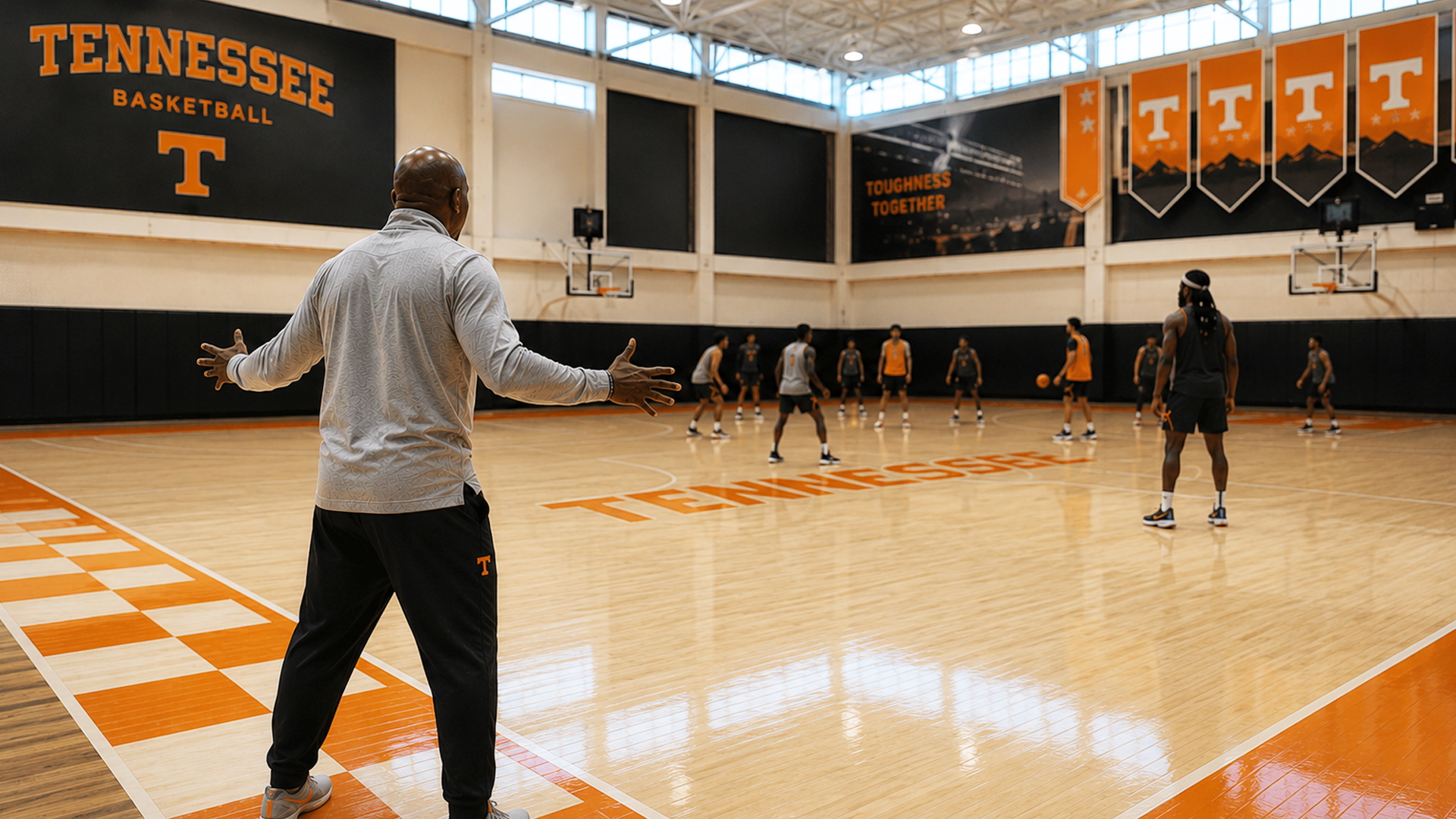
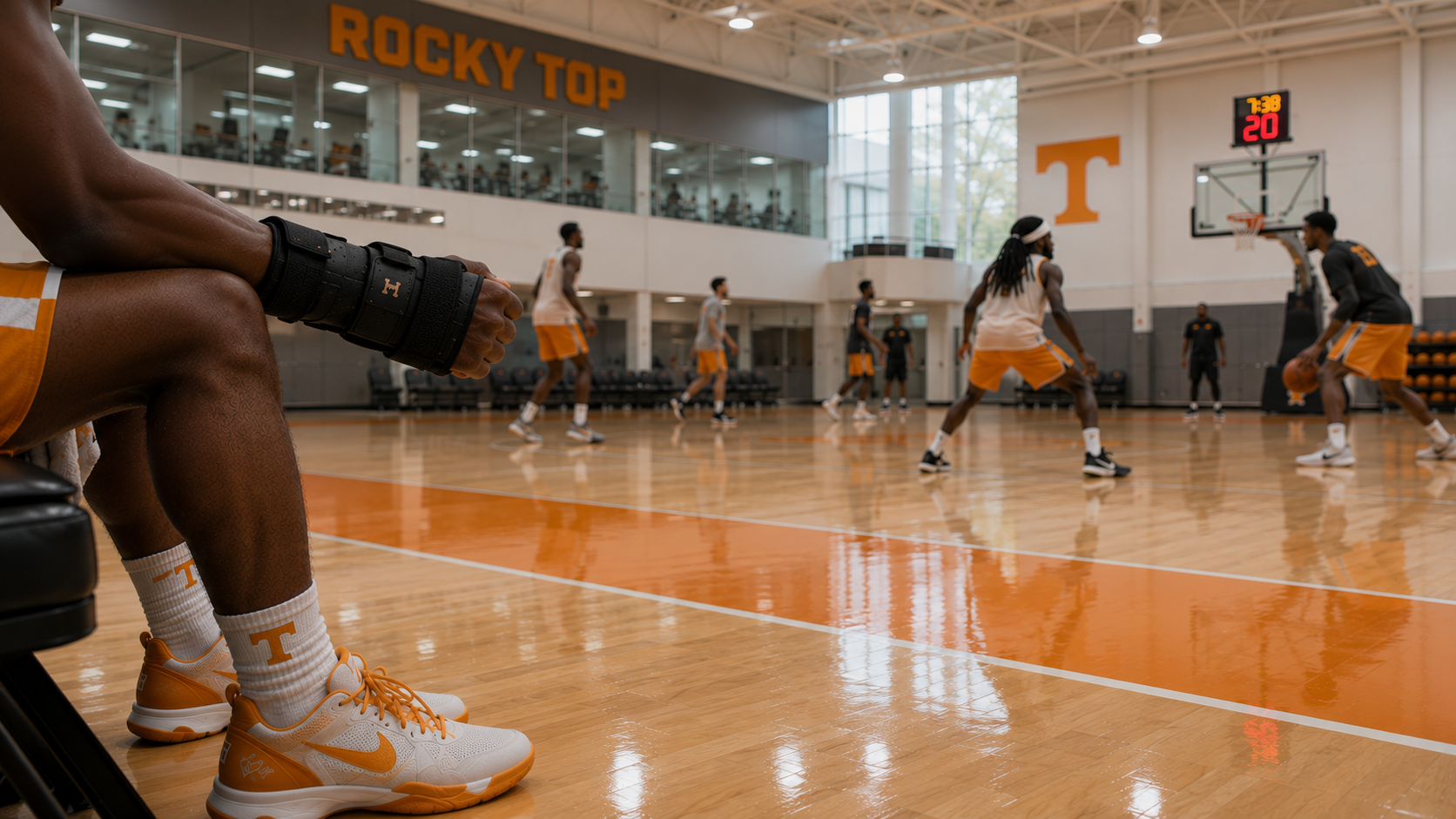
    Every summer, Tennessee’s basketball program wages a quiet battle long before the lights come on in November. The bruises, conditioning, film sessions and unforgiving practices inside Pratt Pavilion are where Rick Barnes begins shaping another contender. This week, that battlefield claimed its first casualty—but if the early outlook proves accurate, it won’t be one that follows the Vols into the season.

    Transfer forward Christian Fermin suffered a fractured hand during practice earlier this week and underwent surgery Thursday to repair the injury. The VCU transfer is expected to miss the remainder of Tennessee’s summer workout period, with an anticipated recovery timeline of approximately four to six weeks. Most importantly for Tennessee, the injury is not expected to jeopardize his availability when fall practice begins later this year.  

    That distinction matters.

    Summer workouts are invaluable for newcomers, but they are also designed to prepare players for the work that truly counts in September and beyond. Missing several weeks now is undeniably frustrating for Fermin, particularly as he continues learning Tennessee’s defensive system and building chemistry with an almost entirely rebuilt roster. It is, however, a far more favorable scenario than suffering the same injury during preseason camp or SEC play.

    Only days before the setback, Fermin described his first experience inside Barnes’ program in revealing terms.

    “I’d say it’s been hard,” Fermin said. “I feel like there’s a standard here… just the amount of work we’re putting in and just the intensity in it. It’s definitely full of work—just hard work.”  

    Those comments echoed what observers have already seen from Tennessee’s summer practices. Barnes has challenged a roster loaded with transfers to absorb multiple positions, play faster than previous Volunteer teams and embrace the relentless defensive expectations that have become synonymous with his program. As Barnes recently said of the group, “We’ve thrown a lot at them,” while praising the team’s effort and willingness to embrace the process.  

    For Fermin personally, the timing is unfortunate because his greatest value may come from repetition. The 6-foot-10 veteran arrived from VCU after appearing in 90 career games, bringing proven rim protection, length and defensive versatility to a Tennessee frontcourt undergoing significant change. Barnes called him “battle-tested” when announcing his signing, adding that the veteran possesses “natural leadership skills” and the defensive presence Tennessee sought in the transfer portal.  

    The good news for Vol fans is that this story currently appears to be about patience rather than panic.

    Fermin should still have ample time to regain conditioning, resume practice and integrate into Tennessee’s rotation before meaningful basketball begins. Meanwhile, his temporary absence creates additional practice reps for DeWayne Brown, Miles Rubin, Braedan Lue and the rest of the Volunteers’ frontcourt as Barnes continues sorting through combinations.

    Championship seasons are rarely built without a few setbacks along the way. Tennessee has absorbed one in July rather than January.

    If all goes according to plan, Christian Fermin’s broken hand will become little more than an early footnote in the story of the 2026-27 Volunteers.

    – Vol Hoops Staff Writer

  • The Color of a Legacy

    The Color of a Legacy

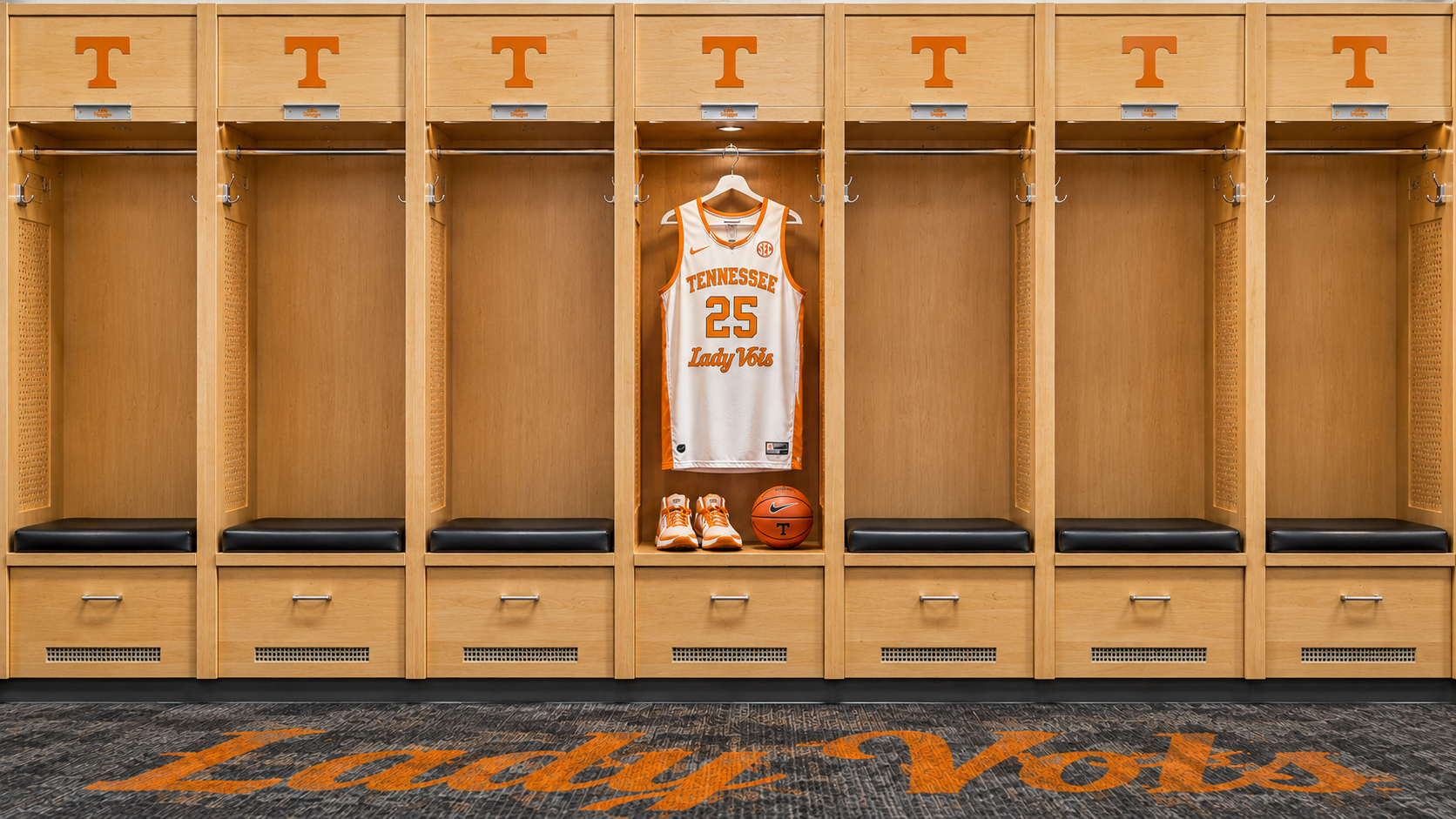
    Tennessee unveiled its new adidas Summitt Blue uniforms last week, but calling them an alternate look misses the point. The powder-blue jersey, trimmed in orange and white and finished with the familiar Lady Vols script, is less a fashion statement than a piece of program history made wearable. Every time the color appears, it connects the team Kim Caldwell is building to the woman who built the standard against which every Lady Vol team will forever be measured.  

    The new basketball set keeps that connection clean and unmistakable. “Lady Vols” stretches across the chest in orange, while updated striping runs along the sides of the jersey and shorts. A redesigned number font blends traditional block lettering with a more modern shape, part of a months-long collaboration between Tennessee’s creative staff and adidas as the school begins its new apparel partnership. The result feels current without making the mistake of treating tradition like something that needed to be replaced.  

    Summitt Blue itself predates the name. In 1968, women’s athletics administrator Joan Cronan needed uniforms for Tennessee’s women’s basketball team, but manufacturers did not offer an orange option. She selected Columbia blue with orange lettering instead, and even after orange uniforms became available, touches of blue remained part of the Lady Vol identity. Tennessee formally renamed the accent color Summitt Blue in 2022, during the 50th anniversary of Title IX, turning a practical choice from the program’s early years into a permanent tribute to Pat Summitt.  

    When the color was officially elevated, athletics director Danny White said Tennessee was proud to celebrate “the Lady Vols’ unique legacy of excellence,” adding that the athletes’ excitement upon seeing the uniforms was something he hoped would spread to fans and alumni. That legacy is almost impossible to overstate: Summitt coached Tennessee for 38 seasons, won 1,098 games and eight national championships, reached 18 Final Fours and helped transform women’s college basketball from an overlooked sport into a national attraction.  

    The uniforms therefore carry an expectation as much as a name. Summitt once reduced her competitive philosophy to a sentence that still sounds like it belongs inside Tennessee’s locker room: “Here’s how I’m going to beat you. I’m going to outwork you.” Her teams made that promise visible through preparation, toughness and accountability, qualities Caldwell is now charged with translating for a new generation of Lady Vols.  

    That is why die-hard Tennessee fans should care about more than whether the new jerseys look sharp—and they do. Summitt Blue is one of the few uniform colors in college sports that tells a complete story: humble beginnings, hard-won opportunity, unprecedented dominance and a legacy too important to live only in record books.

    When the Lady Vols wear blue this season, they will not simply be honoring Pat Summitt.

    They will be wearing the standard she left behind.

    – Vol Hoops Staff Writer

  • At 72, Could Rick Barnes Be Closing in on his Finest Hour?

    At 72, Could Rick Barnes Be Closing in on his Finest Hour?

    Rick Barnes turned 72 this month with little left to prove. His Hall of Fame résumé already includes more than 800 victories, conference championships, countless NBA players and a reputation as one of college basketball’s most respected teachers. By almost any measure, he has earned a place among the sport’s coaching greats.

    For Tennessee fans, however, birthdays are less interesting than basketball seasons.

    When Barnes accepted the Tennessee job in 2015, he inherited a program searching for consistency. The Volunteers had enjoyed memorable moments over the years, but sustained national relevance remained elusive. Barnes never promised overnight success, choosing instead to emphasize culture, player development and accountability as the foundation for everything the program hoped to become.

    Eleven years later, those foundations are visible throughout Tennessee basketball. The Volunteers have become an annual NCAA Tournament team, a fixture near the top of the SEC standings and a program that routinely attracts NBA-caliber talent. Perhaps the clearest measure of Barnes’ impact isn’t found in banners or rankings but in expectations. Tennessee fans no longer hope their team belongs among the nation’s elite—they expect it.

    That shift changes the way this stage of Barnes’ career should be viewed.

    Too often, conversations surrounding coaches in their seventies drift toward retirement timelines and legacy. Barnes has certainly earned the luxury of reflecting on everything he has accomplished, yet the state of Tennessee basketball suggests a far more compelling conversation. The program he spent more than a decade building appears stronger, deeper and better equipped than at any previous point during his tenure.

    College basketball has changed dramatically since Barnes arrived in Knoxville. NIL, the transfer portal and roster movement have forced coaches across the country to rethink how successful programs are built and sustained. Rather than resisting those changes, Tennessee has adapted to them while preserving the identity that has become synonymous with Barnes’ teams: disciplined defense, relentless player development and a culture that values growth as much as talent.

    The result is a program with genuine staying power. Tennessee enters each season expecting to compete for an SEC championship, earn a favorable NCAA Tournament seed and contend on the national stage. Those ambitions once felt aspirational. Today, they represent the standard Barnes helped establish.

    None of that guarantees the breakthrough every Tennessee fan still wants. March has humbled Hall of Fame coaches, top seeds and championship favorites alike, and Barnes understands as well as anyone how thin the margin can be between a memorable season and a historic one. But opportunity isn’t measured by guarantees. It’s measured by whether a program consistently puts itself in position to capitalize when the moment arrives.

    That’s exactly where Tennessee finds itself today.

    Rick Barnes doesn’t need another accomplishment to validate his legacy. He has already transformed Tennessee basketball into one of the nation’s most respected programs and forever changed the expectations surrounding it. Yet as he begins another season in Knoxville, it’s difficult to escape the feeling that the story remains unfinished. At 72, with a championship-caliber foundation firmly in place, Rick Barnes may indeed be closing in on his finest hour.

    – Vol Hoops Staff Writer

  • The Ones Who Stayed

    The Ones Who Stayed

    When Tennessee’s season ended, Rick Barnes faced the same reality confronting nearly every major college basketball coach. Veterans graduated, players explored new opportunities and the transfer portal reshaped another roster almost overnight. By the time the dust settled, Barnes had assembled one of the nation’s most celebrated portal classes, but amid all the movement, two familiar faces quietly made a decision that has become increasingly uncommon in today’s game.

    Dwayne Brown stayed. Troy Henderson did too.

    That fact deserves more attention than it’s likely to receive.

    College basketball has entered an era where roster continuity is measured in months rather than years. Players transfer for larger roles, better financial opportunities or simply a fresh start, and there is nothing inherently wrong with that. Tennessee has benefited from the portal as much as anyone this offseason. But while new names filled headlines throughout the spring, Brown and Henderson chose something different. They chose to continue building what they had already started in Knoxville.

    Brown never sounded conflicted about the decision. “I like being here. This is where I want to be,” he said after announcing his return. “It wasn’t really a hard decision… I like Coach, I like the program, I like what Tennessee stands for.” Those comments carried weight because Brown understood exactly what Tennessee was bringing in. More experienced players were arriving, competition for minutes would intensify and nothing would be handed to him. He stayed anyway.

    Henderson’s path looked different but ultimately arrived at the same destination. After briefly entering the transfer portal, he reconsidered, met with those closest to him and withdrew his name before announcing that Rocky Top was still where he wanted to continue his career. Rather than viewing that as uncertainty, it’s worth recognizing what it became: a deliberate decision to return after seeing every option available.

    Those choices matter inside a locker room.

    Newcomers bring talent, experience and fresh perspectives, but every team also needs players who already understand the expectations waiting behind the practice gym doors. Brown and Henderson know what a Rick Barnes practice feels like. They know the daily standard, the accountability and the culture that has carried Tennessee to three consecutive Elite Eight appearances. Those lessons can’t be downloaded during summer workouts; they’re earned over time.

    Assistant coach Gregg Polinsky recently pointed to Brown’s emergence as a leader while praising both returning sophomores for helping establish the tone for a roster filled with new faces. Leadership isn’t always loud, and it isn’t always measured by minutes played. Sometimes it’s reflected in the players who choose commitment when leaving would have been the easier headline.

    Tennessee’s newcomers may determine how far the Vols go this season.

    But every successful new beginning needs someone willing to stay behind and protect what was already built.

    – Vol Hoops Staff Writer

  • Becoming Rick Barnes’ Point Guard.

    Becoming Rick Barnes’ Point Guard.

    Terrence Hill Jr. didn’t come to Tennessee simply to replace last year’s point guard. He came to earn one of the most demanding jobs in college basketball.

    For more than a decade, Rick Barnes has expected his lead guards to do far more than initiate the offense. They are responsible for setting the team’s tempo, directing traffic, communicating with teammates and serving as an extension of the coaching staff once the ball is tipped. Zakai Zeigler thrived in that role. Ja’Kobi Gillespie embraced it last season. Now, the challenge belongs to Hill, whose early comments suggest he understands exactly what Barnes expects.

    When Tennessee announced Hill’s signing in April, Barnes praised much more than the former VCU star’s scoring ability. “Terrence comes from a great family. He is a focused, mature and committed person who possesses clear leadership qualities,” Barnes said. “We are bringing Terrence here to make an immediate, significant impact.” That endorsement carried weight because Barnes has never handed over the keys to his offense based on talent alone. Leadership has always been part of the job description.

    Hill’s résumé made him one of the most coveted guards in the transfer portal after averaging 15.0 points per game and earning First Team All-Atlantic 10 honors at VCU, but his first media session in Knoxville revealed a player talking less about individual production than collective growth. Asked what has stood out during the opening weeks of summer workouts, Hill immediately pointed to the group’s chemistry. “The versatility of our team… and just our chemistry over a short period of time has really surprised me,” he said. “Everybody willing to buy into what coach is saying… just very impressive to me.”

    Perhaps the most revealing moment came when Hill described seeking advice from former Tennessee point guards before arriving on campus. “I talked to Jacobe a little bit, Zakai, when he was here,” Hill said. “They were just telling me… he’s going to be on you the most because you’re the point guard. So, you’ve got to be reflective of him.” That perspective helps explain why Hill didn’t sound surprised when discussing Barnes’ demanding practices or the areas his coach wants him to improve.

    “My speed,” Hill said when asked what Barnes has emphasized. “He just wants me to pick up my pace more, get the team going… me using my voice more, just taking on that leader role.” Those aren’t corrections unique to Hill. They are the same qualities Barnes has challenged nearly every successful point guard to develop, because Tennessee’s offense works best when its lead guard controls more than the basketball.

    Whether Hill starts on opening night is becoming a secondary question. Barnes recruited him to lead one of the nation’s deepest backcourts, and every public comment since his arrival points toward a player embracing that responsibility rather than shying away from it.

    The process of becoming Rick Barnes’ point guard has already begun.

    – Vol Hoops Staff Writer

  • The Barnes Hire That Deserves More Attention

    The Barnes Hire That Deserves More Attention

    Rick Barnes has built enough successful teams to know that championships aren’t won by one coach standing alone.

    Every March run, every defensive breakthrough and every player who develops into something more than expected has been shaped by an entire staff working behind the scenes. That’s why one of Tennessee’s most significant offseason additions may not have been a transfer portal commitment at all. It may have been the arrival of veteran assistant Earl Grant.

    While most of the offseason conversation has centered on new players, Grant has quietly settled into Knoxville after spending more than a decade leading his own Division I programs. His résumé includes successful stops as the head coach at Charleston and Boston College, where he built a reputation as a teacher, program builder and relentless developer of talent. Choosing to step away from the head chair surprised many around college basketball. For Grant, however, the decision wasn’t about taking a step backward.

    “I was looking for an assignment,” Grant said after joining Tennessee. “When Coach Barnes called me… it just felt like a perfect assignment for me.”

    That word—assignment—says a great deal about how Grant approaches coaching.

    Rather than speaking about prestige or career advancement, Grant has consistently emphasized service, relationships and growth. It’s a mindset that mirrors the culture Barnes has spent a decade building inside Tennessee’s program, where player development and daily accountability are valued just as highly as wins and losses.

    “I’m extremely excited about the opportunity to serve, learn and grow at Tennessee,” Grant said shortly after arriving in Knoxville.

    Barnes believes Grant’s impact will extend far beyond another experienced voice on the practice floor.

    “Earl Grant is a perfect fit for Tennessee basketball,” Barnes said when announcing the hire. “I love his coaching philosophies… Earl is a man of impeccable character and I am certain he will make a positive impact on the players in our program.”

    Those aren’t the kinds of compliments Barnes hands out casually.

    Grant arrives with the perspective of someone who has spent years making the difficult decisions that come with running an entire program. Recruiting, roster management, player development and game preparation have all crossed his desk as a head coach. That experience gives Tennessee’s staff another veteran voice capable of seeing the game through a broader lens while still diving into the daily details that shape winning basketball.

    That influence is already becoming noticeable.

    Reporters attending Tennessee’s first open summer practice repeatedly observed Grant’s constant interaction with players. Whether teaching positioning, offering encouragement or stopping to explain a detail, he carried himself less like a newcomer learning the program and more like another extension of Barnes’ philosophy. His calm demeanor and measured teaching style stood out throughout the workout.

    Of course, assistant coaches rarely make headlines during the season. Fans naturally focus on the players making shots or the head coach drawing up late-game plays. Yet those inside successful programs often point to the countless teaching moments that happen long before tipoff—the conversations after practice, the individual workouts, the subtle corrections that gradually become winning habits.

    That’s where Grant may ultimately leave his biggest mark.

    Tennessee’s roster has changed dramatically this offseason, bringing together new personalities, new skill sets and new expectations. Helping that group become a connected basketball team won’t happen by accident. It will require experienced teachers who understand both the technical side of the game and the human side of leading young players.

    Rick Barnes didn’t simply add another assistant to his bench this spring. He added another experienced head coach.

    By the time March arrives, Vol fans may discover that was one of the most important offseason additions Tennessee made.

    – Vol Hoops Staff Writer

  • The Lady Vols Aren’t Just Reloading This Offseason. They’re Reinventing.

    The Lady Vols Aren’t Just Reloading This Offseason. They’re Reinventing.

    Eight scholarship players left Tennessee after Kim Caldwell’s first season in Knoxville. Around the country, that number became the story. It fueled questions about continuity, chemistry and whether one of the sport’s most recognizable programs had been pushed into another reset.

    Caldwell saw something different.

    Rather than preserving what remained, she embraced the opportunity to rebuild the Lady Vols around the style of basketball that first made her one of the fastest-rising coaches in the game. Tennessee’s offseason wasn’t simply about replacing departures. It was about finding players capable of sustaining an identity built on relentless pace, full-court pressure and constant movement.

    “We had to do it quickly,” Caldwell said after Tennessee finalized its transfer class. “We wanted to make sure that we constructed our roster in a way that balanced each other, that we had players that could fit in multiple roles and could shoot the ball.”

    Those comments may sound ordinary in May. The roster they produced is anything but.

    College basketball has entered an era where coaches routinely patch holes through the transfer portal. What Tennessee has attempted feels more ambitious. Rather than adding complementary pieces to an established core, Caldwell has assembled a roster designed almost entirely around a system. Returning production became secondary to finding players who could thrive within a demanding style that asks everyone to defend, run, pressure the ball and make rapid decisions possession after possession.

    “We really tried to recruit heart and people that wanted to work hard,” Caldwell said. “We really tried to hammer that home … and see if they were up to the challenge, and they all were.”

    That last word may prove to be the most important.

    The challenge isn’t simply learning new teammates or mastering a playbook. It’s embracing a pace that few teams attempt to maintain over the course of an entire season. Tennessee won’t ultimately be judged by how many newcomers it signed. It will be judged by whether those newcomers can become one cohesive unit while playing one of the country’s most physically demanding brands of basketball.

    Caldwell has been remarkably transparent about how she approached the process.

    “I think it’s pretty clear that we chased production and players that produced,” she said. “We wanted to make sure we had people that could score the basketball.”

    Production mattered. Fit mattered more.

    That’s what makes this offseason feel different from a conventional rebuild. The Lady Vols weren’t assembled according to recruiting rankings or name recognition alone. Every addition appears to serve a specific purpose within Caldwell’s vision, creating a roster whose success will depend less on individual accolades than collective execution.

    There are no guarantees that approach will work immediately. Chemistry can’t be rushed, and the SEC has a way of exposing unfinished teams. Skepticism is understandable when so much changes so quickly.

    But strip away the transfer numbers, preseason projections and offseason headlines, and something more intriguing comes into focus.

    This doesn’t look like a program searching for its old identity. It looks like one determined to establish a new one.

    If that vision takes hold, Tennessee’s offseason won’t be remembered for the players who left. It will be remembered as the moment one of women’s basketball’s most tradition-rich programs decided tradition alone was no longer enough. Rather than trying to recreate what once made the Lady Vols great, Kim Caldwell is betting she can redefine what greatness looks like in Knoxville.

    And in an era when most coaches are tweaking their formulas, Tennessee may be testing one of the sport’s boldest new ones.

    Vol Hoops Staff Writer

  • Why This Year’s Tennessee Team Will Win Differently

    Why This Year’s Tennessee Team Will Win Differently

    Rick Barnes has never been interested in copying trends. Year after year, Tennessee’s coaching staff evaluates the roster in front of it, identifies its greatest strengths and builds an identity around those players rather than forcing them into last season’s mold. If assistant coach Gregg Polinsky’s comments this week are any indication, the 2026-27 Volunteers won’t simply be a sequel to last year’s team—they’re being designed to win in a completely different way.

    That’s an exciting thought for Tennessee fans.

    Replacing the size and physicality the Vols lost from last season was never going to be easy. Instead of chasing carbon copies, Barnes and his staff appear to have doubled down on a different formula: length, athleticism and defensive versatility. It’s a philosophy that could make Tennessee one of the SEC’s most disruptive defensive teams, even if it looks different doing it.

    “We wanted more length on the wings,” Polinsky explained. “We have athleticism and we have length… We wanted guys that defensively… deflections take up a lot of court, shrink the court.”

    That one answer may have revealed more about Tennessee’s offseason than any recruiting ranking ever could.

    The Volunteers aren’t expecting to overwhelm opponents by simply planting bigger bodies under the rim and owning the offensive glass. Polinsky acknowledged as much when discussing the new-look frontcourt, noting that last year’s group could “smash you under the rim and walk you under there.” This roster, he admitted, “is going to have to do it a little different way.”

    Those few words should reshape expectations heading into November.

    Expect more switching on defense. Expect longer athletes crowding passing lanes, contesting shots with wingspan instead of bulk and turning deflections into transition opportunities. Barnes has long valued toughness, but toughness doesn’t always wear the same uniform. Sometimes it comes in the form of disciplined defenders who erase passing windows and force offenses into uncomfortable possessions.

    The roster construction reflects that philosophy from top to bottom. Polinsky spoke highly of the incoming freshman class, not simply because of their physical tools but because of the personalities they’ve brought into the program. Living together throughout the summer has accelerated chemistry, and he believes the newcomers have embraced both one another and the challenge of learning Tennessee basketball.

    “I think it’s been a good blend of guys,” Polinsky said. “They want to learn, they want to get better. I think they’re enjoying each other’s company.”

    Even the individual player evaluations pointed back toward the larger picture. Whether discussing Ralph Scott’s long-term potential, Terrence Hill’s ability to elevate everyone around him with quick decision-making or Dwayne Brown’s emergence as a more vocal leader, Polinsky consistently returned to the same idea: this team will succeed because the pieces complement one another.

    Perhaps the most encouraging takeaway came when he described Hill’s influence on the offense.

    “I think he’s making everybody better around him,” Polinsky said. “We all know he’s capable of scoring the ball.”

    That’s the hallmark of the best Barnes teams. Individual talent matters, but Tennessee’s ceiling has almost always been determined by how well the pieces fit together.

    Summer optimism should always come with a healthy disclaimer, and no championships are won in July. Still, Polinsky’s comments offered something more valuable than glowing practice reports; they provided a glimpse into the blueprint behind this roster.

    If Tennessee reaches its potential this season, it may not be because it recreated last year’s identity. It may be because Barnes and his staff had the confidence to build an entirely new one.

    Vol Hoops Staff Writer

  • One Vol Transfer is Already Generating Some Serious Summer Buzz

    One Vol Transfer is Already Generating Some Serious Summer Buzz

    Every offseason has one.

    Before the exhibition games. Before the first AP Top 25 poll. Before fans pack Food City Center for opening night.

    There’s always one newcomer whose name starts popping up just a little more often than everyone else’s.

    This summer, that player appears to be Juke Harris.

    That’s hardly a surprise. Tennessee didn’t simply land another transfer when Harris committed in May. The Vols landed one of the most coveted players in the portal, a former Wake Forest standout who averaged more than 21 points per game and drew serious NBA interest before deciding another season of college basketball was the better path. His commitment completed what many national analysts viewed as one of the nation’s premier transfer classes.

    But recruiting rankings don’t tell the whole story.

    What’s been most encouraging over the first weeks of summer workouts is the tone coming from inside the program. When Jalen Haralson met with reporters recently, he didn’t single out one teammate as the team’s future star. Instead, he described a roster full of players eager to compete and improve together.

    “These guys can hoop, we’re real competitive. We got some players and guys that want to be coached.” Haralson followed that by emphasizing the group’s shared purpose. “We all came here for the same reason: we want to play professionally, we want to be coached hard and we want to win.”

    Those comments say plenty about the team’s chemistry, but they also hint at why Harris may be emerging as the early face of this rebuilt roster.

    Barnes has never been one to hand out praise casually, yet when Harris officially signed with Tennessee, he described him as “one of the premier scorers nationally” and highlighted not only his ability to take over a game offensively, but also the defensive versatility his 6-foot-7 frame brings to the floor. That’s notable because Barnes has built his best teams around players capable of impacting both ends of the court.

    There’s another reason Harris has generated so much buzz.

    Unlike some high-volume scorers who arrive needing to dominate the ball, he’ll be surrounded by creators. Dai Dai Ames, Terrence Hill Jr., Tyler Lundblade and Haralson all proved at previous stops that they can score when called upon. That means Harris won’t have to rescue possessions every trip down the floor the way he often did at Wake Forest.

    In many ways, Tennessee may be putting him in the best basketball environment of his career. That doesn’t mean Harris will necessarily lead the SEC in scoring or become an All-American. Summer practices have a way of creating storylines that evolve once the lights come on.

    It does mean there’s a growing sense that the Vols have added something they’ve rarely possessed during Barnes’ tenure: a proven three-level scorer who also fits the culture Tennessee has spent years establishing.

    If that combination proves as dangerous in November as it has looked on paper this summer, don’t be surprised if the conversation shifts quickly.

    It won’t be about which transfer has emerged as the practice hero.

    It’ll be about which transfer helped Tennessee take the next step.


    Vol Hoops Staff Writer